
In today’s fast-paced world, maintaining good health has become more challenging than ever. With busy schedules, processed foods, and changing lifestyles, many people struggle to eat in a way that truly supports their well-being. This is why the question “What is a balanced diet and why is it important?” has become one of the most searched topics in health and nutrition. Understanding the basics of a balanced diet can help you live longer, feel stronger, and stay healthy from the inside out.
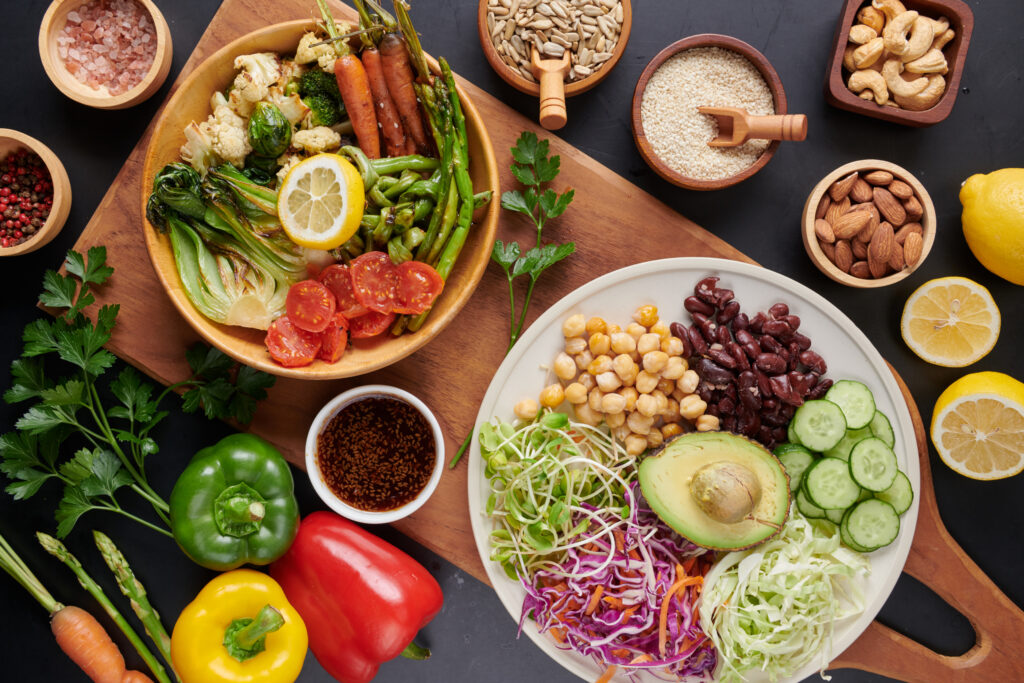
In this detailed blog, we’ll explore what a balanced diet means, the components of healthy eating, and why a balanced diet is important for overall physical and mental health. Whether you’re trying to lose weight, build muscle, improve digestion, or boost immunity, this guide will help you achieve your goals.
Understanding the Concept: What Is a Balanced Diet and Why Is It Important?
A balanced diet is a meal plan that provides your body with all the essential nutrients, vitamins, and minerals it needs to function effectively. These include carbohydrates, proteins, fats, vitamins, minerals, fiber, and water. When you ask “What is a balanced diet and why is it important?”, you’re essentially asking how to nourish your body correctly so it can perform at its best.
A balanced diet ensures:
Boosted energy
Better digestion
Improved immunity
Healthy weight management
Strong muscles and bones
Better skin and hair
Enhanced brain function
Eating a variety of foods in the right proportions is the foundation of good nutrition.
Components of a Balanced Diet
Understanding what is a balanced diet and why is it important? begins with learning about the key nutrients your body needs. These nutrients play different roles, and all of them must be included in your daily meals.
1. Carbohydrates — Your Primary Energy Source
Carbohydrates give you the energy needed for daily tasks, workouts, and brain function. Choose healthy carb sources such as:
Whole grains
Oats
Brown rice
Fruits
Vegetables
Quinoa
Avoid processed carbs like sugary snacks or white bread.
2. Proteins — Building Blocks of the Body
Protein is essential for muscle repair, growth, hormone production, and immunity. Good protein sources include:
Eggs
Chicken
Fish
Beans
Lentils
Paneer
Tofu
Balanced diet experts recommend including protein in every meal for better health.
3. Healthy Fats — Essential for Brain and Heart Health
Healthy fats support brain function, hormone balance, and absorption of vitamins. Include:
Avocados
Nuts
Seeds
Olive oil
Fatty fish
Avoid trans fats found in fried and packaged foods.
4. Vitamins and Minerals — Micro Nutrients With Macro Benefits
When you ask “What is a balanced diet and why is it important?”, vitamins and minerals play a big role in the answer. They support immunity, metabolism, and healthy cell function.
Examples:
Vitamin A – Good for eyes
Vitamin C – Supports immunity
Vitamin D – For bones
Iron – Prevents fatigue
Calcium – Keeps bones strong
Potassium – Supports heart health
5. Fiber — For Digestive Health
Fiber helps with digestion, prevents constipation, and keeps you full longer.
Best sources:
Whole grains
Fruits
Vegetables
Nuts
Seeds
6. Water — The Most Important Nutrient
Hydration is a key part of a balanced diet. Water helps regulate temperature, supports digestion, and removes toxins.
Drink 7–8 glasses daily, more if you exercise.
Why Is a Balanced Diet Important?
Now let’s understand the second part of the main question: “What is a balanced diet and why is it important?”
Here are the major benefits of a balanced diet:
1. Supports Healthy Weight Management
When you eat nutrient-dense foods, you naturally control your weight. A balanced diet reduces overeating and helps maintain a healthy metabolism.
2. Strengthens Immunity
A nutrient-rich diet helps your body fight infections and illnesses. Vitamins, minerals, and antioxidants boost your immune system.
3. Improves Digestion
Fiber-rich foods like fruits, vegetables, and whole grains promote better digestion, preventing constipation, bloating, and acidity.
4. Enhances Energy Levels
Carbohydrates provide fuel, proteins help muscle repair, and fats support brain function. Together, they ensure high energy throughout the day.
5. Promotes Healthy Skin and Hair
A balanced diet improves blood circulation, promotes collagen production, and enhances hair strength.
6. Reduces Risk of Chronic Diseases
Poor eating habits can lead to diabetes, heart disease, obesity, and hypertension. A balanced diet lowers the risk significantly.
7. Improves Mental Health
Nutrition affects your brain. A healthy diet can reduce stress, improve focus, and boost mood.
8. Enhances Longevity
People who follow a balanced diet have a longer lifespan and better quality of life.
How to Create a Balanced Diet Plan
Understanding what is a balanced diet and why is it important? becomes easier when you know how to build a healthy meal plan.
1. Use the Healthy Plate Method
Fill your plate as follows:
50% vegetables
25% protein
25% whole grains
2. Add Color to Your Meals
Eat fruits and vegetables of different colors to ensure a variety of nutrients.
3. Choose Whole Foods, Not Processed Foods
Whole foods have more nutrients and fewer unhealthy additives.
4. Eat Smaller, Frequent Meals
Eating smaller meals throughout the day helps maintain digestion and energy.
5. Balance Your Macronutrients
Make sure every meal includes:
Carbs
Protein
Healthy fats
Balanced Diet for Different Goals
1. For Weight Loss
High-fiber foods
Lean protein
Low sugar
Healthy fats
2. For Muscle Gain
Good protein intake
Complex carbs
Healthy fats
Post-workout meals
3. For Improved Digestion
Hydration
More fiber
Probiotics
Frequently Asked Questions
1. Can I eat snacks in a balanced diet?
Yes—choose nuts, fruits, yogurt, or seeds.
2. Is it okay to eat rice daily?
Yes, in moderation. Prefer brown rice for added fiber.
3. Do I need supplements?
Only if your diet lacks specific nutrients.
4. Can a balanced diet improve mental health?
Absolutely. Good nutrition boosts brain function.