
Maintaining strong immunity is essential for living a healthy, energetic, and disease-free life. But while many people focus on foods that boost immunity, they often ignore the ingredients that secretly damage it every single day. Modern food production relies heavily on artificial additives, preservatives, and flavor enhancers that may seem harmless but can weaken immune function over time. Knowing the Worst Food Ingredients for Your Immune System can help you make better food choices and protect your body from unnecessary harm.
In this detailed guide, we will explore the Top 5 Worst Food Ingredients for Your Immune System, how they damage your body, the science behind their negative effects, and how you can avoid them. We will also discuss healthier alternatives and practical steps to cleanse your diet and strengthen your defense system naturally.

Why Understanding the Worst Food Ingredients for Your Immune System Matters
Your immune system is your body’s natural defense mechanism. It protects you from bacteria, viruses, infections, and inflammation. However, poor eating habits and processed foods filled with unhealthy food additives can directly contribute to immune system damage and weaken your ability to fight diseases.
The modern diet is overloaded with artificial ingredients that:
Cause chronic inflammation
Disturb gut health
Increase oxidative stress
Slow down cellular repair
Affect hormonal balance
Reduce nutrient absorption
Over time, these food ingredients create a cycle of fatigue, poor digestion, weakened immunity, and increased risk of infection. That’s why knowing the Worst Food Ingredients for Your Immune System is not just smart—it’s necessary for long-term health and wellness.
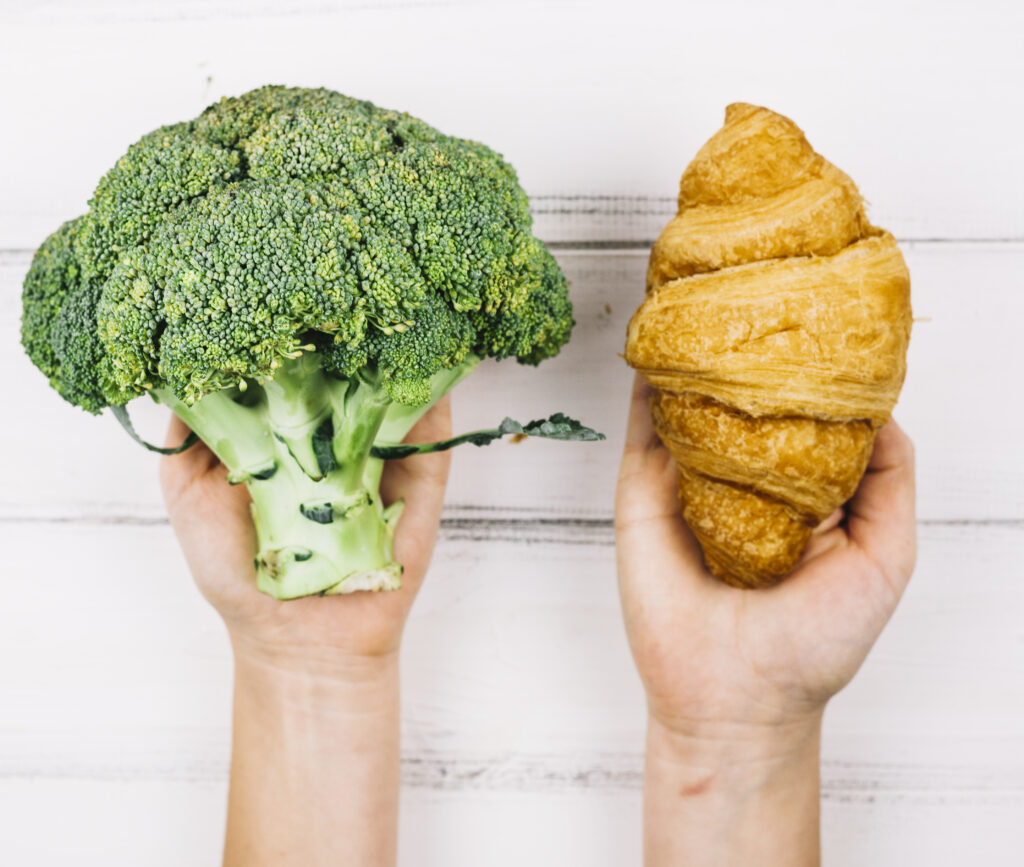
Below are the most harmful ingredients commonly found in everyday packaged, junk, and processed foods. Cutting them out of your diet can significantly improve your immunity and overall health.
1. High-Fructose Corn Syrup (HFCS)
One of the Worst Food Ingredients for Your Immune System is high-fructose corn syrup, a cheap artificial sweetener found in sodas, packaged juices, candies, bakery items, cereals, and even salad dressings.
How HFCS Weakens Your Immunity
HFCS affects your immune system by:
Increasing chronic inflammation
Triggering insulin resistance
Feeding bad gut bacteria
Increasing fatty liver risk
Weakening white blood cell activity
Studies show that when your body processes too much HFCS, it spikes blood sugar levels instantly, forcing your immune system to work harder. Over time, this can lead to weakened immunity, digestive issues, and long-term health conditions.
Secondary Keywords Included
processed food dangers
poor diet effects
Healthier Alternatives
Honey
Stevia
Coconut sugar
Jaggery (good for traditional diets)
2. Artificial Trans Fats (Hydrogenated Oils)
Artificial trans fats are another major contributor to immune system damage and are widely recognized as one of the worst industrial food ingredients ever invented. These fats are used to extend shelf life and improve texture in packaged foods.
Where Trans Fats Are Found
Instant noodles
Packaged bakery snacks
Microwave popcorn
Frozen fried foods
Vegetable shortening
Margarine
Cheap fast food items
How Trans Fats Damage Immunity
Artificial trans fats:
Increase inflammation
Block healthy fatty acid absorption
Raise bad cholesterol (LDL)
Reduce good cholesterol (HDL)
Slow immune cell communication
When your body is inflamed, the immune system stays constantly active, which exhausts your natural defenses over time. This makes trans fats one of the most Worst Food Ingredients for Your Immune System.
Healthier Alternatives
Olive oil
Cold-pressed coconut oil
Ghee
Avocado oil
These healthy fats support cell membrane repair, brain health, and strong immunity.
3. Artificial Sweeteners (Aspartame, Sucralose, Saccharin)
Marketed as “diet-friendly,” artificial sweeteners are often worse than sugar. These chemicals can trick the body into metabolic confusion and interfere with gut health—making them dangerous inflammatory food ingredients.
Common Products Containing Artificial Sweeteners
Diet sodas
Sugar-free chewing gum
Protein powders
Low-calorie desserts
Flavored yogurt
Energy drinks
How Artificial Sweeteners Harm Your Immune System
They:
Disturb gut microbiome balance
Increase cravings
Trigger stress hormones
Reduce insulin sensitivity
Lead to digestive problems
Because 70% of the immune system lives in the gut, anything that damages gut health automatically affects immunity. This makes artificial sweeteners one of the Worst Food Ingredients for Your Immune System.
Healthier Alternatives
Monk fruit
Natural honey
Dates
Stevia leaves
4. Monosodium Glutamate (MSG)
MSG is used to enhance flavor in fast food, soups, packaged noodles, frozen meals, snacks, and restaurant cuisine. While some people may not react visibly, MSG can negatively impact immunity and nervous system function.
Why MSG Is Dangerous
MSG can:
Cause cellular inflammation
Trigger headaches and fatigue
Disrupt neurotransmitter balance
Increase oxidative stress
Affect brain health
Oxidative stress forces your immune system into a defensive state, weakening the body’s long-term ability to fight infection.
Products Commonly Containing MSG
Restaurant fast food
Flavored chips
Instant soups
Ready-to-eat noodles
Canned savory snacks
Healthier Seasoning Options
Rock salt
Herbs and spices
Nutritional yeast
Lemon and vinegar for flavor
5. Synthetic Food Colorings and Preservatives
Artificial food colors and preservatives are widespread in the packaged food industry. These chemicals enhance product appearance and shelf life but quietly harm your immunity.
Common Chemical Preservatives
Sodium benzoate
Potassium sorbate
BHA and BHT
Nitrites and nitrates
Sulfites
Common Artificial Food Colors
Red 40
Yellow 5 and 6
Brilliant Blue
Green 3
How They Harm the Immune System
These chemicals:
Cause allergic reactions
Increase toxin load in the body
Interfere with immune cell communication
Disturb liver detoxification processes
Trigger hyperactivity in children
The liver plays a crucial role in immunity, and when it becomes overloaded with synthetic chemicals, immunity declines. That is why food colors and synthetic preservatives are counted among the Worst Food Ingredients for Your Immune System.
Secondary Keywords Included
harmful preservatives
junk food risks
Healthier Alternatives
Look for:
No-preservative labels
Naturally colored foods
Whole food snacks
Fresh homemade meals
How the Worst Food Ingredients for Your Immune System Damage Gut Health
The gut is known as the “second brain,” and nearly three-quarters of immune cells exist in the digestive system. When harmful food additives enter your stomach, they:
Promote bad bacteria growth
Reduce good bacteria population
Damage intestinal lining
Trigger chronic inflammation
Increase toxin absorption
This leads to leaky gut, suppressed immunity, mood swings, fatigue, and recurring infections. That is why eliminating the Worst Food Ingredients for Your Immune System can transform gut health and overall well-being.
Signs Your Diet Is Weakening Your Immune System
If you regularly consume processed foods, packaged snacks, sugary drinks, and chemical additives, your body may start to show warning signs like:
Constant tiredness
Frequent colds or infections
Slow wound healing
Excessive bloating or acidity
Poor digestion
Unexplained body pain
Brain fog
Mood swings
Skin breakouts
These symptoms signal that your immune system is overloaded and needs support—and removing harmful ingredients is the first step.
How to Avoid the Worst Food Ingredients for Your Immune System
Here are easy changes anyone can make:
1. Read Food Labels
Look out for:
HFCS
MSG
Artificial colors
Hydrogenated oils
Aspartame, sucralose
Sodium benzoate
Sulfites
2. Choose Fresh Over Packaged
Fresh food has fewer artificial chemicals and supports detoxification.
3. Cook More at Home
Homemade meals give you:
Full ingredient control
Better digestion
Improved nutrient absorption
4. Choose Whole Foods
Include:
Fruits and vegetables
Whole grains
Lean proteins
Healthy fats
Natural sugars
5. Keep the Gut Healthy
Foods that improve gut immunity:
Yogurt
Chickpeas
Idli, dosa batter
Fermented foods
Fiber-rich meals