
Protein is one of the most essential nutrients for the human body. It helps build muscle, repair tissues, support immunity, maintain hormones, and keep your metabolism strong. Yet one of the most commonly asked health and fitness questions is: How much protein do I need daily?
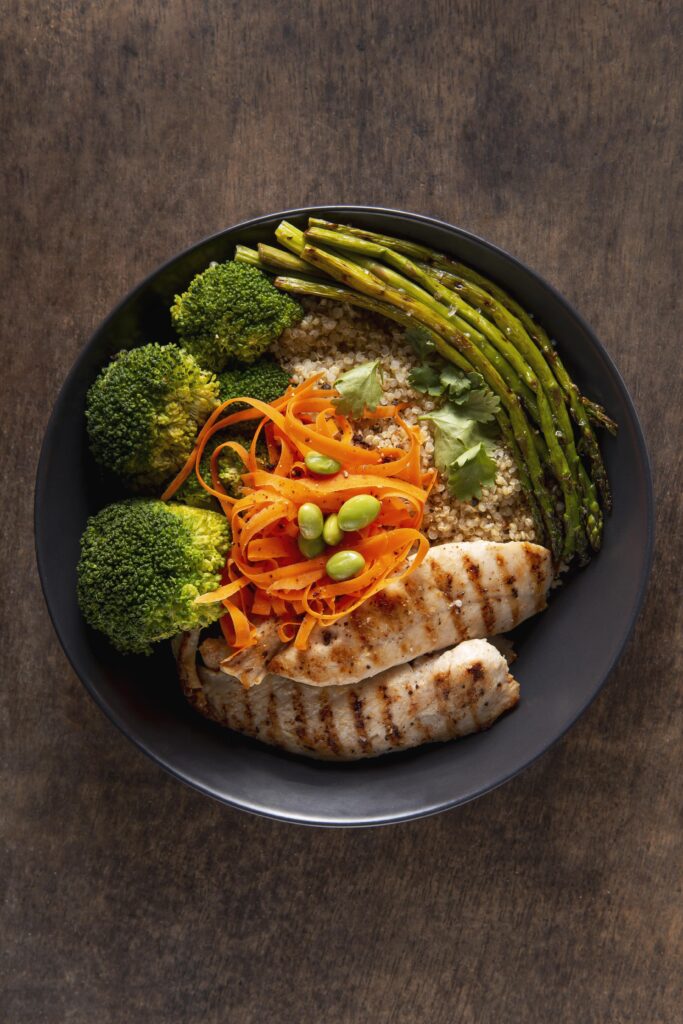
Whether your goal is weight loss, muscle gain, better energy, or simply staying healthy, understanding how much protein you need daily can make a massive difference in your results. This blog explains everything—your protein needs, how to calculate them, protein sources, myths, FAQs, and expert hydration tips that work for everyone.
1. Why Protein Matters – The Power Nutrient
Before we answer How much protein do I need daily?, it’s important to understand why protein plays such a big role in overall health. Protein is made up of amino acids, known as the building blocks of life. Your body needs protein to:
Build and repair muscles
Improve metabolism
Produce enzymes and hormones
Support immune function
Maintain hair, skin, and nails
Increase strength and performance
Support weight loss and fat burning
Protein is not stored in the body like fat or carbs. That means you must consume adequate protein every single day.
2. How Much Protein Do I Need Daily? – The Basic Recommendation
The general guideline for daily protein requirements comes from the RDA (Recommended Dietary Allowance):
✔ 0.8 grams of protein per kilogram of body weight for an average adult.
But this is the minimum to prevent deficiency—not the ideal amount for health, weight management, or muscle growth.
The real answer to How much protein do I need daily? depends on your goals, lifestyle, and activity level.
3. Protein Intake Based on Your Fitness Goal
Different goals require different protein amounts. Here’s a detailed breakdown:
3.1 For Weight Loss
If your goal is fat loss, you should eat more protein because it:
Reduces hunger
Boosts metabolism
Keeps you full for hours
Prevents muscle loss while dieting
✔ Recommended protein intake:
1.2–1.6 g per kg of body weight
Example: If you weigh 60 kg, you need around 72–96 grams per day.
3.2 For Muscle Gain
People who lift weights or want to build muscle require more protein to support muscle repair and growth.
✔ Recommended protein intake:
1.6–2.2 g per kg of body weight
For a 70 kg person, that’s 112–154 grams per day.
3.3 For Active Individuals
If you exercise regularly—running, yoga, gym, cycling—your body needs extra protein.
✔ Recommended protein intake:
1.2–1.8 g per kg of body weight
3.4 For Sedentary Individuals
If you have a desk job and do not exercise much:
✔ Recommended protein intake:
0.8–1 g per kg of body weight
3.5 For Seniors (50+ Age)
Protein helps prevent muscle loss with aging.
✔ Recommended protein intake:
1–1.2 g per kg of body weight
3.6 For Pregnant Women
Protein supports baby growth and maternal health.
✔ Recommended protein intake:
+25 grams per day above regular intake
4. How Much Protein Do I Need Daily? – Quick Chart
| Lifestyle | Protein Needed (g/kg) | Example for 60 kg Person |
|---|---|---|
| Sedentary | 0.8–1 g | 48–60 g |
| Weight Loss | 1.2–1.6 g | 72–96 g |
| Active | 1.2–1.8 g | 72–108 g |
| Muscle Gain | 1.6–2.2 g | 96–132 g |
| Seniors | 1–1.2 g | 60–72 g |
| Pregnant Women | +25 g | Personalized |
This chart makes understanding How much protein do I need daily? easier for every type of person.
5. High-Protein Foods to Add to Your Daily Diet
Knowing how much protein you need daily is not enough—you must eat the right sources. Here are the best high-protein foods:
Animal-Based Proteins
Eggs
Chicken breast
Fish (salmon, tuna, mackerel)
Lean beef
Turkey
Greek yogurt
Cottage cheese (paneer)
Milk
These foods offer complete proteins with all essential amino acids.
Plant-Based Proteins
Lentils (dal)
Chickpeas
Beans (kidney, black beans)
Tofu
Tempeh
Quinoa
Chia seeds
Almonds
Peanuts
Soy milk
Plant proteins are excellent options for vegetarians and vegans.
6. How to Distribute Your Daily Protein Intake
You can maximize results by spreading protein throughout the day instead of eating it all at once.
Breakfast
Eggs
Greek yogurt
Oatmeal with chia seeds
Lunch
Chicken breast + veggies
Lentil soup + brown rice
Quinoa and chickpea bowl
Dinner
Fish + salad
Paneer bhurji + roti
Tofu stir fry + veggies
Snacks
Nuts
Protein shake
Boiled eggs
Peanut butter toast
Eating protein every 3–4 hours helps improve metabolism and muscle repair.
7. Benefits of Eating Enough Protein Daily
Understanding How much protein do I need daily? helps unlock these major benefits:
✔ Boosted metabolism
Protein has a high thermic effect, meaning your body burns more calories digesting it.
✔ Reduced hunger
Protein increases satiety and helps control cravings.
✔ Muscle growth and repair
Essential for fitness and strength training.
✔ Stronger immune system
Protein helps produce antibodies and immune cells.
✔ Better skin, hair, and nails
Protein is essential for tissue regeneration.
✔ Stable blood sugar levels
Reduces sugar spikes and supports fat burning.
8. Signs You Are Not Eating Enough Protein
If you’re unsure how much protein you need daily, your body might show these signs:
Constant hunger
Muscle loss
Weak hair and nails
Fatigue
Weak immune system
Slow recovery after workouts
These symptoms indicate protein deficiency.
9. Can You Eat Too Much Protein?
Yes—excessive protein may cause:
Digestive discomfort
Kidney strain (in people with kidney issues)
Dehydration
Nutrient imbalance
The key is balance. Follow the recommended guidelines instead of extremes.
10. Frequently Asked Questions
Q1. Do women need less protein than men?
Protein needs depend on weight and activity—not gender.
Q2. Can I get enough protein from plants?
Yes. Beans, lentils, quinoa, tofu, nuts, and seeds are excellent.
Q3. Is a protein supplement necessary?
Not always. Only use supplements if you cannot meet daily needs from food.
Q4. Is eating high protein good for weight loss?
Yes. It reduces hunger and increases metabolism.
11. How Much Protein Do I Need Daily? – Final Answer
So, how much protein do I need daily?
The best general guideline is:
⭐ 0.8 g per kg for sedentary people
⭐ 1.2–1.6 g per kg for weight loss
⭐ 1.6–2.2 g per kg for muscle gain
⭐ 1.2–1.8 g per kg for active individuals
The right protein intake depends on your goals, weight, and lifestyle.
By including high-protein foods in meals throughout the day, you can easily meet your daily protein requirements and enjoy:
Better energy
Stronger muscles
Faster metabolism
Improved immunity
Better weight control
Understanding how much protein you need daily is the first step. Applying it consistently is what creates real transformation.