
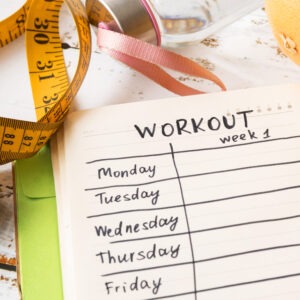
One of the most common questions people ask when starting a fitness journey is: “How many days a week should I work out”? Whether your goal is weight loss, muscle gain, improved endurance, or overall health, the answer depends on multiple factors, including your fitness level, goals, and lifestyle. Understanding the optimal workout frequency is key to building a consistent routine, preventing injury, and achieving long-term results.
Why Frequency Matters
When people ask, “How many days a week should I work out”, they’re usually trying to figure out the right balance between exercise and rest. Working out too little may limit results, while overtraining can lead to fatigue, injury, or burnout. Proper frequency ensures:
-
Consistency: Regular workouts form a habit that supports long-term fitness.
-
Recovery: Muscles and joints need rest to repair and strengthen.
-
Progress: The right schedule promotes gradual improvements in strength, endurance, and flexibility.
Factors That Influence Workout Frequency
-
Fitness Goals:
-
Weight Loss: Frequent, moderate-intensity workouts 4–6 times per week help burn calories.
-
Muscle Gain: Strength training 3–5 times per week allows muscles to grow while resting in between sessions.
-
Endurance: Running, cycling, or swimming may require 5–6 days of training with lighter recovery days.
-
-
Fitness Level:
-
Beginners should start slow, maybe 2–3 times per week, to avoid injury.
-
Intermediate and advanced individuals can handle 4–6 days depending on intensity.
-
-
Type of Exercise:
-
Cardio: Can often be done more frequently, even daily, if intensity is moderate.
-
Strength Training: Requires rest for muscle recovery, usually 48 hours for each muscle group.
-
Flexibility and Mobility: Yoga or stretching can be done almost every day.
-
-
Lifestyle & Schedule:
-
Work, family, and personal commitments influence how many days are realistic.
-
Short, efficient workouts can be more effective than long sessions that are hard to sustain.
-
Recommended Workout Frequency
Here’s a breakdown to help answer “How many days a week should I work out” based on fitness goals:
1. Beginners
-
Frequency: 2–3 days per week
-
Focus: Full-body workouts, light cardio, and basic strength training
-
Tip: Start slow, focus on learning proper form, and gradually increase intensity.
2. Weight Loss
-
Frequency: 4–6 days per week
-
Focus: Mix of cardio, strength training, and HIIT
-
Tip: Alternate intense days with lighter sessions to prevent burnout.
3. Muscle Gain
-
Frequency: 3–5 days per week
-
Focus: Strength training with rest days for recovery
-
Tip: Split workouts by muscle group (e.g., chest/triceps, back/biceps, legs) for effective growth.
4. General Health & Fitness
-
Frequency: 3–5 days per week
-
Focus: Combination of cardio, strength, and flexibility exercises
-
Tip: Even 30–45 minutes per session can maintain health and fitness.
5. Endurance Athletes
-
Frequency: 5–6 days per week
-
Focus: Cardio training with lighter recovery days
-
Tip: Include cross-training to prevent overuse injuries.
Benefits of Working Out Regularly
When you understand how many days a week should I work out, you also start to realize the benefits of a consistent routine:
-
Improved Strength and Muscle Tone – Regular workouts increase muscle mass and strength.
-
Better Cardiovascular Health – Cardio exercises enhance heart and lung function.
-
Enhanced Mood and Mental Health – Exercise releases endorphins that reduce stress and anxiety.
-
Weight Management – Consistent workouts help burn calories and maintain a healthy weight.
-
Increased Energy Levels – Exercise improves circulation and metabolism, boosting daily energy.
Importance of Rest and Recovery
Even when aiming for frequent workouts, rest days are crucial. Overtraining can lead to fatigue, reduced performance, and injuries.
-
Strength Training: Give each muscle group 48 hours to recover.
-
Cardio: Moderate cardio can be done more frequently, but high-intensity sessions need rest.
-
Sleep: Aim for 7–9 hours of quality sleep to support recovery.
-
Active Recovery: Light walking, stretching, or yoga can improve circulation without straining muscles.
Tips to Maximize Results
-
Listen to Your Body: Don’t push through pain or extreme fatigue.
-
Mix Cardio and Strength: Both are essential for balanced fitness.
-
Set Realistic Goals: Avoid expecting rapid results. Consistency matters more than intensity.
-
Stay Hydrated and Eat Well: Nutrition fuels workouts and aids recovery.
-
Track Progress: Keeping a log of workouts helps you stay accountable and see improvement.
Common Mistakes to Avoid
-
Exercising too few or too many days without structure
-
Ignoring rest and recovery
-
Following someone else’s routine without considering your fitness level
-
Neglecting nutrition and sleep
-
Not adjusting workouts as fitness improves