fitnotes.shop

Nutrition

Nutrition

How much water should I drink per day?

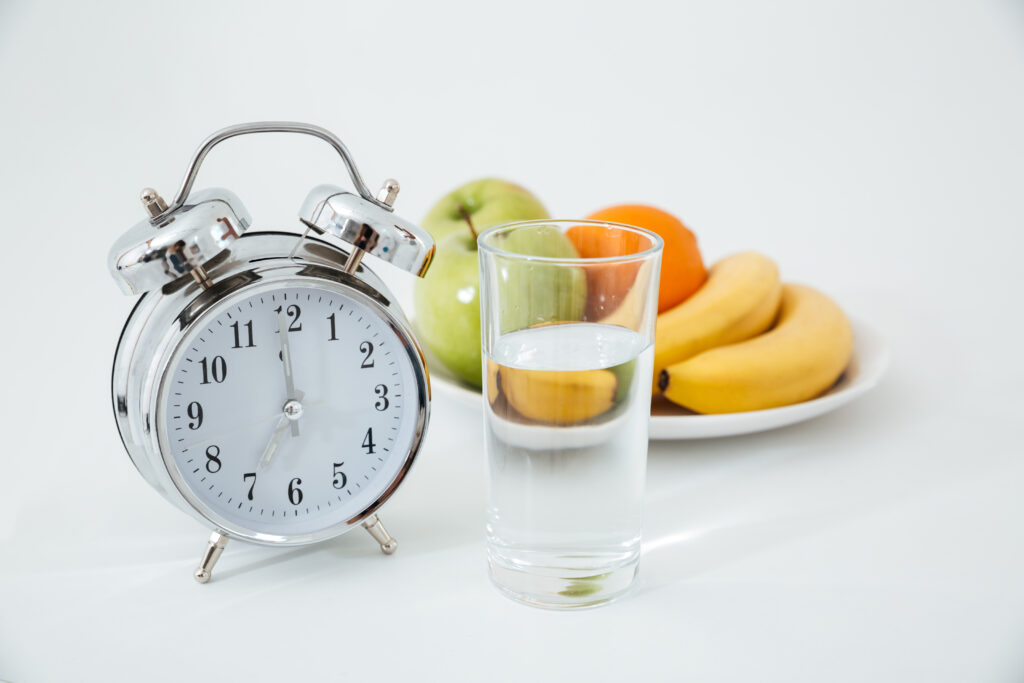
How much water should I drink per day? Water is one of the most essential elements for human survival. It fuels every cell, supports digestion, regulates body temperature, maintains joint movement, and helps flush out toxins. Yet, one of the most common health questions people ask is “How much water should I drink per day?” While the answer seems simple, the truth is that daily water intake varies from person to person based on activity level, climate, diet, age, and health conditions. In this extensive guide, we break down how much water you should drink per day, why hydration matters, signs of dehydration, hydration guidelines for different individuals, myths about water intake, and practical hydration tips for daily life. Why Water Matters – The Foundation of Life Before discussing how much water you should drink per day, it is crucial to understand why water is so important. The human body is made up of: 60% water in adults 75% water in the brain and heart 80% water in blood 65% water in the skin This means water plays a central role in nearly every body function, including: Circulating oxygen and nutrients Supporting digestion and bowel movement Removing toxins through urine and sweat Lubricating joints Protecting organs Regulating internal temperature Maintaining healthy skin Without proper daily water intake, these functions slow down, leading to dehydration and health problems. 2. How Much Water Should I Drink Per Day? – The Standard Rule The commonly recommended rule is the 8×8 method, which means: 8 glasses of 8 ounces of water per day= around 2 liters or half a gallon However, while this is a good baseline, it does not apply to everyone. Factors like location, weather, exercise, age, pregnancy, and hormones can change how much water your body needs. So when asking How much water should I drink per day? the best answer is: ✔ Adults should aim for 2–3 liters of water daily✔ Women generally need 2 liters✔ Men generally need 3 liters But this is just a guideline. Some people need more, some less. 3. Factors That Influence How Much Water You Should Drink per Day 3.1 Climate and Temperature If you live in a hot or humid area, your body loses more water through sweat. This increases your daily water requirement. 3.2 Physical Activity Athletes and people who exercise regularly need more hydration because they lose water faster. For every hour of exercise, an additional 0.5–1 liter of fluid may be needed. 3.3 Age Hydration needs change with age: Children need less water Older adults may need more to avoid dehydration due to reduced thirst signals 3.4 Pregnancy and Breastfeeding Pregnant and breastfeeding women need additional fluids for baby development and milk production. 3.5 Diet Foods high in sodium, sugar, or caffeine increase water demand. Water-rich foods like cucumbers, oranges, watermelon, and soups reduce the required extra intake. These factors make it clear that “How much water should I drink per day?” is not a one-size-fits-all answer. 4. Daily Water Intake Chart – Quick Reference Category Suggested Daily Intake Adult Women 2 – 2.7 liters Adult Men 2.5 – 3.7 liters Children (4–8) 1.2 liters Teens 1.6 – 2.5 liters Pregnant Women +0.3 liters Breastfeeding Women +0.7 liters Active People +0.5 to 1 liter per hour of exercise These values represent total water intake including water from food, drinks, and plain water. 5. How Much Water Should I Drink Per Day from Food? Surprisingly, around 20–30% of daily hydration comes from food. Water-rich foods include: Watermelon Cucumbers Tomatoes Oranges Lettuce Broth-based soups Strawberries Bell peppers If your diet includes more fruits and vegetables, you may need slightly less water from drinks. 6. Signs You Are Not Drinking Enough Water Not knowing how much water you should drink per day can lead to dehydration. Common signs include: Dark yellow urine Dry lips and mouth Tiredness and fatigue Headaches Constipation Poor focus and concentration Dry skin Dizziness Muscle cramps If you experience these symptoms regularly, your body may be asking for more hydration. 7. Signs You Are Drinking Enough Water You are drinking enough water if: Your urine is pale straw-colored You rarely feel thirsty Skin remains hydrated and healthy Digestion is smooth Energy levels remain stable throughout the day The body has natural signals that help determine daily hydration needs. 8. How Much Water Should I Drink Per Day While Exercising? Exercise increases body heat and results in sweating. To maintain hydration: ✔ Drink 250–500 ml (1–2 cups) of water 1 hour before exercise✔ Drink 100–250 ml every 15–20 minutes during exercise✔ Drink enough afterward to replace lost sweat Athletes may also benefit from electrolyte drinks that contain sodium and potassium. 9. Can Drinking Too Much Water Be Harmful? While hydration is essential, excessive water consumption can lead to a condition called water intoxication or hyponatremia, where sodium levels drop too low. Signs include: Nausea Headache Confusion Weakness This is rare but highlights that balance is key. The best rule is to drink when thirsty and monitor urine color. 10. Myths About How Much Water You Should Drink Per Day Myth 1: Everyone needs 8 glasses Not true. Individual needs differ. Myth 2: Coffee and tea dehydrate the body They contain water and still contribute to hydration. Myth 3: More water always speeds up weight loss Water can help manage appetite but must be combined with healthy habits. Myth 4: Feeling thirsty means you’re already dehydrated Thirst is a natural signal—not a warning of danger unless extreme. Understanding these myths helps people make better hydration choices. 11. The Link Between Water and Weight Loss Many people ask How much water should I drink per day for weight loss. Water supports fat loss in multiple ways: Helps control appetite Boosts metabolism slightly Prevents overeating Replaces high-calorie drinks Supports muscle performance Drinking a glass of water before meals can reduce calorie intake, making weight loss easier. 12. Best Drinks to Meet Your Daily Water Requirement Plain water is best, but other drinks
Nutrition

Is eating late at night unhealthy?

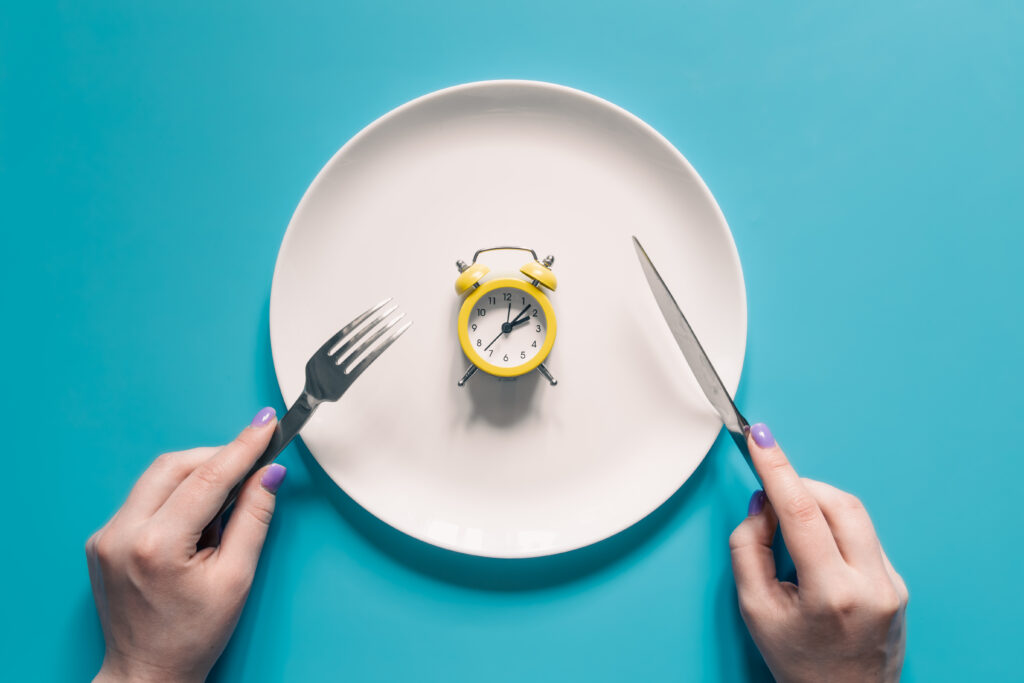
Many people enjoy late-night snacks after a long day, busy work schedule, or evening cravings. But the question often arises — Is eating late at night unhealthy? This debate has been ongoing for years, with some saying food timing makes no difference, and others warning that late-night meals may lead to weight gain and health problems. The truth lies somewhere in the middle. Eating late at night is not automatically bad, but what you eat, how much you eat, and why you eat play major roles in its effects. In this article, we will explore in detail Is eating late at night unhealthy? along with secondary keywords such as night-time eating habits, late-night snacking effects, digestion at night, metabolism, sleep quality, hormonal health, weight gain risks, and healthy meal timing to provide a well-rounded understanding. Before answering Is eating late at night unhealthy?, it is important to understand how the body works. Humans function according to a natural cycle known as the circadian rhythm, which affects: Metabolism Digestion Hormone release Sleep patterns Energy use During daytime hours, the body is more active, digestion is stronger, and metabolism works faster. At night, the body naturally begins to slow down, preparing for sleep and recovery. When we eat late at night, the body must continue digesting food rather than focusing on rest and repair. This is one reason many people explore Is eating late at night unhealthy? and how timing affects health. Does Eating Late Make You Gain Weight? One of the biggest concerns around late-night eating is weight gain. So, is eating late at night unhealthy? when it comes to body weight? The answer depends on several factors: 1. Eating More Calories Than Needed Late-night eating often results in: Extra calories Increased portion sizes Emotional eating Snack foods high in sugar, salt, and fat If the body consumes more energy than it uses, the extra calories get stored as fat. 2. Food Choices Late at Night People rarely eat salads or steamed vegetables at midnight. Late-night meals often include: Fast food Fried snacks Sweets Chips Ice cream Heavy meals These foods digest slowly and contribute to weight gain. 3. Reduced Physical Activity At night, most people go to bed soon after eating. Without physical activity, calories are not burned efficiently. So even though eating late does not automatically cause weight gain, the circumstances often associated with late-night snacking can. How Late-Night Eating Affects Digestion To understand whether Is eating late at night unhealthy?, we must look at digestion. Our digestive system also slows down at night. Eating close to bedtime may cause: Bloating Gas Indigestion Acidity Acid reflux Heartburn This is especially common when eating: Fried food Spicy food Fatty meals Large meals at once When lying down after eating, stomach acids can travel upward, causing discomfort known as acid reflux. People who frequently ask Is eating late at night unhealthy? often experience these digestive issues and wonder whether changing eating habits would help — and in many cases, it does. Late-Night Eating and Sleep Quality Sleep plays a major role in overall health. Poor sleep can affect: Weight Mood Immunity Hormones Metabolism Eating late can disturb sleep in several ways: 1. Digesting While Sleeping The stomach has to stay active, making it harder for the body to relax. 2. Discomfort Bloating or acidity can make sleeping uncomfortable. 3. Spicy or Heavy Food Certain foods increase heart rate and body temperature, interfering with deep sleep. Answering Is eating late at night unhealthy?, sleep disruption is one of the biggest concerns associated with nighttime eating. The Hormonal Impact of Eating Late Hormones help regulate appetite, metabolism, and fat storage. Some of the major hormones affected by late-night eating include: Insulin Late-night meals can cause higher insulin spikes, contributing to: Fat storage Higher blood sugar Risk of insulin resistance Melatonin This is the sleep hormone. When melatonin rises at night, the body is less prepared to digest food efficiently. Ghrelin and Leptin These hormones control hunger and fullness. Late-night eating can confuse these signals, leading to overeating. This is why people studying Is eating late at night unhealthy? often discover that meal timing affects the hormonal balance that controls appetite and metabolism. Is It Bad for Metabolism? Metabolism naturally slows down at night. When we eat late and sleep immediately afterward, the body may burn fewer calories. Over time, this can contribute to weight gain. However, metabolism does not completely stop — the body still uses energy, just at a slower pace. People involved in night shifts or irregular work schedules often ask Is eating late at night unhealthy?, and research suggests that eating according to your wake-sleep cycle (rather than the clock) is more important. This means if someone sleeps during the day and works at night, their food timing may need to match their personal rhythm. Does Everyone Respond the Same Way? No. The answer to Is eating late at night unhealthy? can vary from person to person depending on: Age Activity level Metabolic rate Body weight Medical conditions Work routine Food choices For example: Athletes may eat late after training and still remain healthy. Someone with acid reflux may experience discomfort immediately. Night-shift workers may require nighttime meals out of necessity. So instead of assuming late-night eating is always harmful, it’s better to understand personal needs and how the body responds. Common Reasons People Eat Late at Night To address Is eating late at night unhealthy?, it helps to understand why it happens. Common reasons include: Long working hours Skipping earlier meals Emotional eating Stress or anxiety Poor sleep habits Staying awake too late Mindless snacking during screen time Lack of meal planning Often, late-night eating is not caused by hunger but by lifestyle patterns that can be improved. Healthy Tips to Manage Late-Night Eating If someone wants to improve their eating schedule, here are practical strategies: 1. Eat Regular Meals Avoid skipping breakfast, lunch, or dinner. 2. Choose Balanced Foods Meals with protein, fiber, and healthy carbs keep

Nutrition

Which foods help in weight loss?

In today’s fast-paced world, many people want to lose weight without following extreme diets or strict meal plans. One of the most effective and sustainable ways to shed excess fat is by choosing the right foods that support metabolism, boost energy, and keep you full for longer. If you are wondering which foods help in weight loss, this detailed guide will help you understand the best options, how they work, and how to include them in your daily diet for long-lasting results. Lorem ipsum dolor sit amet, consectetur adipiscing elit. Ut elit tellus, luctus nec ullamcorper mattis, pulvinar dapibus leo.

Nutrition

How much protein do I need daily?

Protein is one of the most essential nutrients for the human body. It helps build muscle, repair tissues, support immunity, maintain hormones, and keep your metabolism strong. Yet one of the most commonly asked health and fitness questions is: How much protein do I need daily? Whether your goal is weight loss, muscle gain, better energy, or simply staying healthy, understanding how much protein you need daily can make a massive difference in your results. This blog explains everything—your protein needs, how to calculate them, protein sources, myths, FAQs, and expert hydration tips that work for everyone. 1. Why Protein Matters – The Power Nutrient Before we answer How much protein do I need daily?, it’s important to understand why protein plays such a big role in overall health. Protein is made up of amino acids, known as the building blocks of life. Your body needs protein to: Build and repair muscles Improve metabolism Produce enzymes and hormones Support immune function Maintain hair, skin, and nails Increase strength and performance Support weight loss and fat burning Protein is not stored in the body like fat or carbs. That means you must consume adequate protein every single day. 2. How Much Protein Do I Need Daily? – The Basic Recommendation The general guideline for daily protein requirements comes from the RDA (Recommended Dietary Allowance): ✔ 0.8 grams of protein per kilogram of body weight for an average adult. But this is the minimum to prevent deficiency—not the ideal amount for health, weight management, or muscle growth. The real answer to How much protein do I need daily? depends on your goals, lifestyle, and activity level. 3. Protein Intake Based on Your Fitness Goal Different goals require different protein amounts. Here’s a detailed breakdown: 3.1 For Weight Loss If your goal is fat loss, you should eat more protein because it: Reduces hunger Boosts metabolism Keeps you full for hours Prevents muscle loss while dieting ✔ Recommended protein intake:1.2–1.6 g per kg of body weight Example: If you weigh 60 kg, you need around 72–96 grams per day. 3.2 For Muscle Gain People who lift weights or want to build muscle require more protein to support muscle repair and growth. ✔ Recommended protein intake:1.6–2.2 g per kg of body weight For a 70 kg person, that’s 112–154 grams per day. 3.3 For Active Individuals If you exercise regularly—running, yoga, gym, cycling—your body needs extra protein. ✔ Recommended protein intake:1.2–1.8 g per kg of body weight 3.4 For Sedentary Individuals If you have a desk job and do not exercise much: ✔ Recommended protein intake:0.8–1 g per kg of body weight 3.5 For Seniors (50+ Age) Protein helps prevent muscle loss with aging. ✔ Recommended protein intake:1–1.2 g per kg of body weight 3.6 For Pregnant Women Protein supports baby growth and maternal health. ✔ Recommended protein intake:+25 grams per day above regular intake 4. How Much Protein Do I Need Daily? – Quick Chart Lifestyle Protein Needed (g/kg) Example for 60 kg Person Sedentary 0.8–1 g 48–60 g Weight Loss 1.2–1.6 g 72–96 g Active 1.2–1.8 g 72–108 g Muscle Gain 1.6–2.2 g 96–132 g Seniors 1–1.2 g 60–72 g Pregnant Women +25 g Personalized This chart makes understanding How much protein do I need daily? easier for every type of person. 5. High-Protein Foods to Add to Your Daily Diet Knowing how much protein you need daily is not enough—you must eat the right sources. Here are the best high-protein foods: Animal-Based Proteins Eggs Chicken breast Fish (salmon, tuna, mackerel) Lean beef Turkey Greek yogurt Cottage cheese (paneer) Milk These foods offer complete proteins with all essential amino acids. Plant-Based Proteins Lentils (dal) Chickpeas Beans (kidney, black beans) Tofu Tempeh Quinoa Chia seeds Almonds Peanuts Soy milk Plant proteins are excellent options for vegetarians and vegans. 6. How to Distribute Your Daily Protein Intake You can maximize results by spreading protein throughout the day instead of eating it all at once. Breakfast Eggs Greek yogurt Oatmeal with chia seeds Lunch Chicken breast + veggies Lentil soup + brown rice Quinoa and chickpea bowl Dinner Fish + salad Paneer bhurji + roti Tofu stir fry + veggies Snacks Nuts Protein shake Boiled eggs Peanut butter toast Eating protein every 3–4 hours helps improve metabolism and muscle repair. 7. Benefits of Eating Enough Protein Daily Understanding How much protein do I need daily? helps unlock these major benefits: ✔ Boosted metabolism Protein has a high thermic effect, meaning your body burns more calories digesting it. ✔ Reduced hunger Protein increases satiety and helps control cravings. ✔ Muscle growth and repair Essential for fitness and strength training. ✔ Stronger immune system Protein helps produce antibodies and immune cells. ✔ Better skin, hair, and nails Protein is essential for tissue regeneration. ✔ Stable blood sugar levels Reduces sugar spikes and supports fat burning. 8. Signs You Are Not Eating Enough Protein If you’re unsure how much protein you need daily, your body might show these signs: Constant hunger Muscle loss Weak hair and nails Fatigue Weak immune system Slow recovery after workouts These symptoms indicate protein deficiency. 9. Can You Eat Too Much Protein? Yes—excessive protein may cause: Digestive discomfort Kidney strain (in people with kidney issues) Dehydration Nutrient imbalance The key is balance. Follow the recommended guidelines instead of extremes. 10. Frequently Asked Questions Q1. Do women need less protein than men? Protein needs depend on weight and activity—not gender. Q2. Can I get enough protein from plants? Yes. Beans, lentils, quinoa, tofu, nuts, and seeds are excellent. Q3. Is a protein supplement necessary? Not always. Only use supplements if you cannot meet daily needs from food. Q4. Is eating high protein good for weight loss? Yes. It reduces hunger and increases metabolism. 11. How Much Protein Do I Need Daily? – Final Answer So, how much protein do I need daily?The best general guideline is: ⭐ 0.8 g per kg for sedentary people⭐ 1.2–1.6 g per kg for weight loss⭐ 1.6–2.2 g

Nutrition

What is a balanced diet and why is it important?

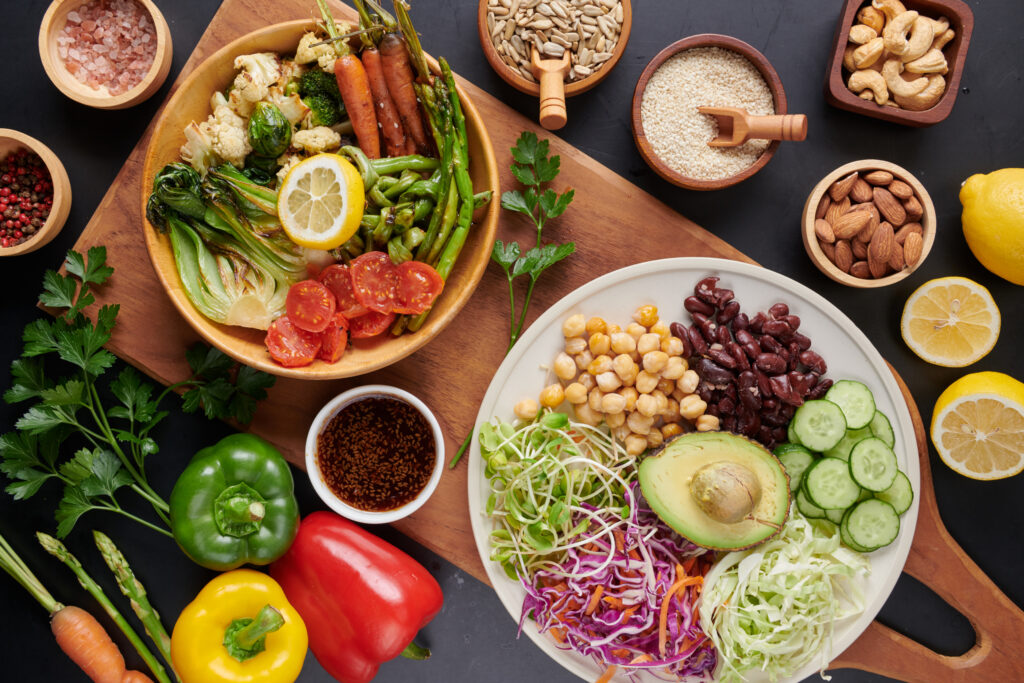
In today’s fast-paced world, maintaining good health has become more challenging than ever. With busy schedules, processed foods, and changing lifestyles, many people struggle to eat in a way that truly supports their well-being. This is why the question “What is a balanced diet and why is it important?” has become one of the most searched topics in health and nutrition. Understanding the basics of a balanced diet can help you live longer, feel stronger, and stay healthy from the inside out. In this detailed blog, we’ll explore what a balanced diet means, the components of healthy eating, and why a balanced diet is important for overall physical and mental health. Whether you’re trying to lose weight, build muscle, improve digestion, or boost immunity, this guide will help you achieve your goals. Understanding the Concept: What Is a Balanced Diet and Why Is It Important? A balanced diet is a meal plan that provides your body with all the essential nutrients, vitamins, and minerals it needs to function effectively. These include carbohydrates, proteins, fats, vitamins, minerals, fiber, and water. When you ask “What is a balanced diet and why is it important?”, you’re essentially asking how to nourish your body correctly so it can perform at its best. A balanced diet ensures: Boosted energy Better digestion Improved immunity Healthy weight management Strong muscles and bones Better skin and hair Enhanced brain function Eating a variety of foods in the right proportions is the foundation of good nutrition. Components of a Balanced Diet Understanding what is a balanced diet and why is it important? begins with learning about the key nutrients your body needs. These nutrients play different roles, and all of them must be included in your daily meals. 1. Carbohydrates — Your Primary Energy Source Carbohydrates give you the energy needed for daily tasks, workouts, and brain function. Choose healthy carb sources such as: Whole grains Oats Brown rice Fruits Vegetables Quinoa Avoid processed carbs like sugary snacks or white bread. 2. Proteins — Building Blocks of the Body Protein is essential for muscle repair, growth, hormone production, and immunity. Good protein sources include: Eggs Chicken Fish Beans Lentils Paneer Tofu Balanced diet experts recommend including protein in every meal for better health. 3. Healthy Fats — Essential for Brain and Heart Health Healthy fats support brain function, hormone balance, and absorption of vitamins. Include: Avocados Nuts Seeds Olive oil Fatty fish Avoid trans fats found in fried and packaged foods. 4. Vitamins and Minerals — Micro Nutrients With Macro Benefits When you ask “What is a balanced diet and why is it important?”, vitamins and minerals play a big role in the answer. They support immunity, metabolism, and healthy cell function. Examples: Vitamin A – Good for eyes Vitamin C – Supports immunity Vitamin D – For bones Iron – Prevents fatigue Calcium – Keeps bones strong Potassium – Supports heart health 5. Fiber — For Digestive Health Fiber helps with digestion, prevents constipation, and keeps you full longer. Best sources: Whole grains Fruits Vegetables Nuts Seeds 6. Water — The Most Important Nutrient Hydration is a key part of a balanced diet. Water helps regulate temperature, supports digestion, and removes toxins. Drink 7–8 glasses daily, more if you exercise. Why Is a Balanced Diet Important? Now let’s understand the second part of the main question: “What is a balanced diet and why is it important?” Here are the major benefits of a balanced diet: 1. Supports Healthy Weight Management When you eat nutrient-dense foods, you naturally control your weight. A balanced diet reduces overeating and helps maintain a healthy metabolism. 2. Strengthens Immunity A nutrient-rich diet helps your body fight infections and illnesses. Vitamins, minerals, and antioxidants boost your immune system. 3. Improves Digestion Fiber-rich foods like fruits, vegetables, and whole grains promote better digestion, preventing constipation, bloating, and acidity. 4. Enhances Energy Levels Carbohydrates provide fuel, proteins help muscle repair, and fats support brain function. Together, they ensure high energy throughout the day. 5. Promotes Healthy Skin and Hair A balanced diet improves blood circulation, promotes collagen production, and enhances hair strength. 6. Reduces Risk of Chronic Diseases Poor eating habits can lead to diabetes, heart disease, obesity, and hypertension. A balanced diet lowers the risk significantly. 7. Improves Mental Health Nutrition affects your brain. A healthy diet can reduce stress, improve focus, and boost mood. 8. Enhances Longevity People who follow a balanced diet have a longer lifespan and better quality of life. How to Create a Balanced Diet Plan Understanding what is a balanced diet and why is it important? becomes easier when you know how to build a healthy meal plan. 1. Use the Healthy Plate Method Fill your plate as follows: 50% vegetables 25% protein 25% whole grains 2. Add Color to Your Meals Eat fruits and vegetables of different colors to ensure a variety of nutrients. 3. Choose Whole Foods, Not Processed Foods Whole foods have more nutrients and fewer unhealthy additives. 4. Eat Smaller, Frequent Meals Eating smaller meals throughout the day helps maintain digestion and energy. 5. Balance Your Macronutrients Make sure every meal includes: Carbs Protein Healthy fats Balanced Diet for Different Goals 1. For Weight Loss High-fiber foods Lean protein Low sugar Healthy fats 2. For Muscle Gain Good protein intake Complex carbs Healthy fats Post-workout meals 3. For Improved Digestion Hydration More fiber Probiotics Frequently Asked Questions 1. Can I eat snacks in a balanced diet? Yes—choose nuts, fruits, yogurt, or seeds. 2. Is it okay to eat rice daily? Yes, in moderation. Prefer brown rice for added fiber. 3. Do I need supplements? Only if your diet lacks specific nutrients. 4. Can a balanced diet improve mental health? Absolutely. Good nutrition boosts brain function.

Scroll to Top

ENTER EMAIL BELOW TO UNLOCK