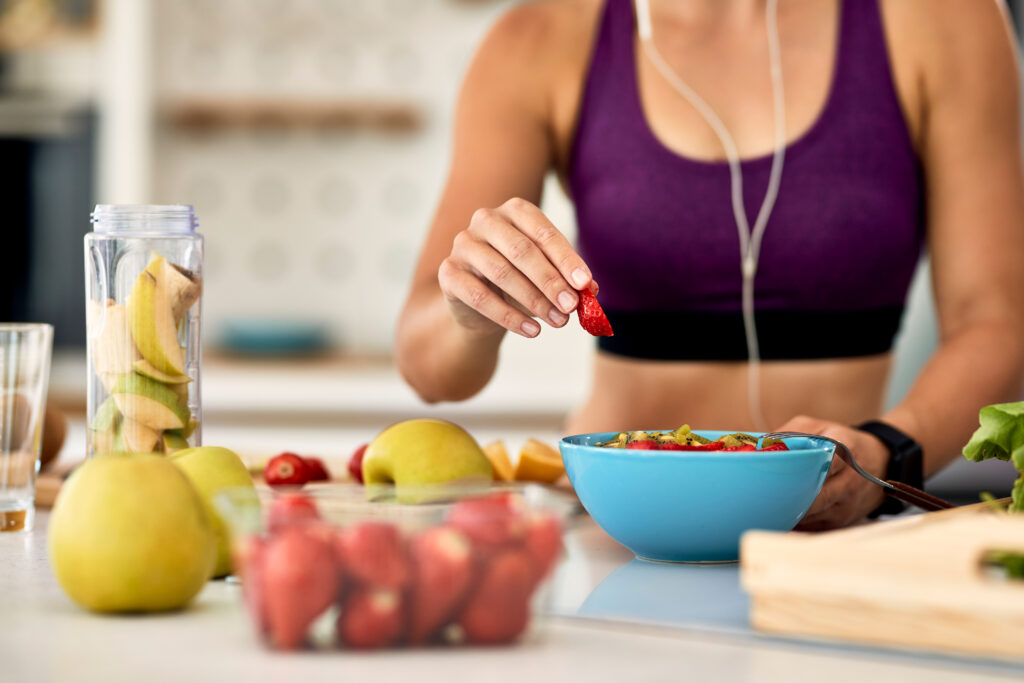
Eating and exercise — what are 5 tips to maximize your workouts?
Fitness success is not just about spending hours at the gym or pushing yourself until exhaustion. A major part of achieving better strength, endurance, and energy lies in how well you fuel your body. Understanding eating and exercise — what are 5 tips to maximize your workouts can help you train smarter, recover faster, and improve your fitness results more efficiently. Many people work out consistently but do not see the progress they want. Often, the problem is not the workout routine but the lack of proper nutrition habits. With the right foods before and after exercise, balanced hydration, and smart eating patterns, you can transform the way your body performs. In this article, we will explore the relationship between food and fitness, and uncover the top five evidence-based tips designed to supercharge your workouts. Why Eating Matters in Exercise Performance Before diving into eating and exercise — what are 5 tips to maximize your workouts, it’s important to understand why nutrition matters so much during fitness training. Your body requires energy to perform every activity. Whether you are lifting weights, going for a run, dancing, cycling, or doing yoga, your muscles rely on nutrients and fuel from food. Without proper nourishment: Energy levels drop Muscles fatigue faster Performance decreases Recovery slows Risk of injury increases Smart nutrition helps: Improve strength and stamina Boost endurance Maintain healthy weight Support muscle growth and repair Enhance focus and motivation Balance hormones and blood sugar In short, food is fuel, and when you fuel correctly, your workout results improve dramatically. Eating and Exercise — What Are 5 Tips to Maximize Your Workouts? Now let’s explore the top five expert-backed nutrition tips that help you perform at your best during exercise. 1. Eat a Balanced Pre-Workout Meal One of the most important aspects of eating for exercise success is understanding when and what to eat before a workout. A balanced pre-workout meal ensures your body has enough energy to perform well. What Should a Pre-Workout Meal Include? A good pre-workout meal should have: Carbohydrates – the main fuel source for the body Protein – supports muscles during exercise Healthy fats – for long-lasting steady energy Best Pre-Workout Food Examples Oats with fruits Peanut butter sandwich Banana with yogurt Vegetable wrap with hummus Smoothie with milk and berries Boiled potatoes Whole grain toast with egg When Should You Eat? Ideally: Eat a full meal 2–3 hours before exercise If short on time, eat a small snack 30–45 minutes before Why it Helps A good pre-workout meal: Improves energy levels Enhances stamina Boosts focus Reduces fatigue Helps prevent dizziness, hunger, or weakness For anyone asking eating and exercise — what are 5 tips to maximize your workouts, this is the first and most essential step: Always fuel your body before training. 2. Don’t Neglect Post-Workout Nutrition While pre-workout meals prepare the muscles, post-workout nutrition repairs them. After exercise, your muscles experience tiny tears and use up stored energy. Eating properly after a workout is necessary to: Rebuild muscle fibers Replenish glycogen (energy store) Reduce soreness Support muscle growth Speed up recovery What Should Your Post-Workout Meal Contain? Protein – for muscle repair Carbohydrates – for energy replacement Electrolytes – lost through sweat Healthy fats (in moderate quantity) Best Post-Workout Food Choices Chicken with brown rice Paneer sandwich Protein shake with banana Sprouts and vegetables Fish and mashed potatoes Greek yogurt with fruits Soya chunks or tofu Dal with roti Timing Matters For maximum benefit, ideally: Eat within 45 minutes to 2 hours after exercise Neglecting this window can slow recovery, reduce muscle growth, and increase soreness. So if someone wants to understand eating and exercise — what are 5 tips to maximize your workouts, post-workout nourishment is a vital rule for getting stronger and fitter. 3. Stay Hydrated Before, During, and After Workouts Many people focus on food but overlook hydration. Water is essential for: Blood circulation Muscle function Joint lubrication Digestion Temperature regulation Even slight dehydration can cause: Cramps Low energy Dizziness Reduced strength Poor concentration Faster fatigue How Much Water Should You Drink? 2–3 glasses of water before exercising Small sips during exercise Extra water after finishing workout Increase intake during hot weather What About Electrolytes? During intense workouts, the body loses sodium, potassium, and magnesium. These can be replaced with: Coconut water Lemon water with salt Electrolyte drinks Oral rehydration solutions Proper hydration ensures your body performs more efficiently and recovers faster — another critical point for eating and exercise — what are 5 tips to maximize your workouts. 4. Choose Foods That Boost Sustained Energy Not all foods provide the same type of energy. Sugar and processed foods give instant energy but also cause a quick crash. On the other hand, whole foods provide slow-releasing, stable energy that lasts throughout your workout. Best Long-Lasting Fuel Foods Whole grains (brown rice, oats, millet) Fruits (bananas, apples, berries) Nuts and seeds Dals and legumes Potatoes and sweet potatoes Eggs Milk and yogurt Lean meats or tofu These foods help maintain constant energy levels, allowing you to: Train harder Stay focused Increase workout duration Avoid early fatigue Foods that drain energy, such as sugary snacks, heavy greasy meals, fast food, or deep-fried items, should be limited around workout time. This nutritional awareness is essential for mastering eating and exercise — what are 5 tips to maximize your workouts effectively. 5. Plan Your Meals to Support Your Fitness Goals Whether you aim to lose weight, build muscle, improve stamina, or stay healthy, your eating plan determines your progress. For Weight Loss Reduce refined carbs and sugar Eat lean protein and high-fiber foods Include vegetables in every meal Control portion size Avoid late-night snacking For Muscle Gain Increase protein intake Eat balanced carbs after workouts Include nuts, milk, tofu, paneer, chicken, eggs, and whole grains Avoid skipping meals For Improving Stamina Add whole carbohydrates Eat energy-rich foods like bananas, oats, milk, and nuts Stay hydrated Avoid junk and processed foods Why Meal Planning Works Meal planning: