
How much water should I drink per day?
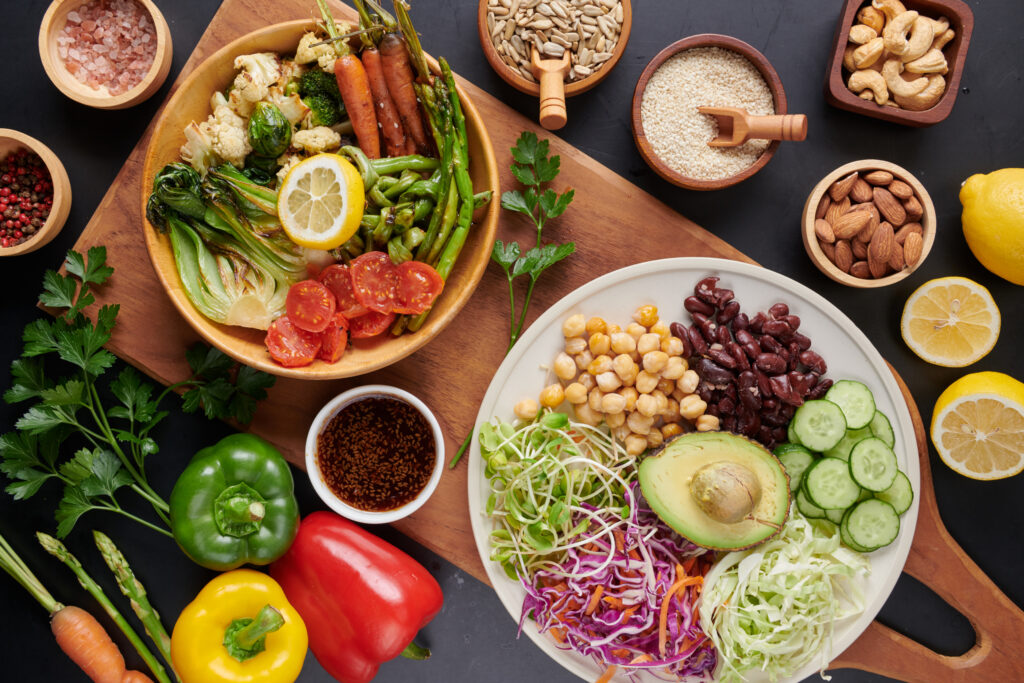
How much water should I drink per day? Water is one of the most essential elements for human survival. It fuels every cell, supports digestion, regulates body temperature, maintains joint movement, and helps flush out toxins. Yet, one of the most common health questions people ask is “How much water should I drink per day?” While the answer seems simple, the truth is that daily water intake varies from person to person based on activity level, climate, diet, age, and health conditions. In this extensive guide, we break down how much water you should drink per day, why hydration matters, signs of dehydration, hydration guidelines for different individuals, myths about water intake, and practical hydration tips for daily life. Why Water Matters – The Foundation of Life Before discussing how much water you should drink per day, it is crucial to understand why water is so important. The human body is made up of: 60% water in adults 75% water in the brain and heart 80% water in blood 65% water in the skin This means water plays a central role in nearly every body function, including: Circulating oxygen and nutrients Supporting digestion and bowel movement Removing toxins through urine and sweat Lubricating joints Protecting organs Regulating internal temperature Maintaining healthy skin Without proper daily water intake, these functions slow down, leading to dehydration and health problems. 2. How Much Water Should I Drink Per Day? – The Standard Rule The commonly recommended rule is the 8×8 method, which means: 8 glasses of 8 ounces of water per day= around 2 liters or half a gallon However, while this is a good baseline, it does not apply to everyone. Factors like location, weather, exercise, age, pregnancy, and hormones can change how much water your body needs. So when asking How much water should I drink per day? the best answer is: ✔ Adults should aim for 2–3 liters of water daily✔ Women generally need 2 liters✔ Men generally need 3 liters But this is just a guideline. Some people need more, some less. 3. Factors That Influence How Much Water You Should Drink per Day 3.1 Climate and Temperature If you live in a hot or humid area, your body loses more water through sweat. This increases your daily water requirement. 3.2 Physical Activity Athletes and people who exercise regularly need more hydration because they lose water faster. For every hour of exercise, an additional 0.5–1 liter of fluid may be needed. 3.3 Age Hydration needs change with age: Children need less water Older adults may need more to avoid dehydration due to reduced thirst signals 3.4 Pregnancy and Breastfeeding Pregnant and breastfeeding women need additional fluids for baby development and milk production. 3.5 Diet Foods high in sodium, sugar, or caffeine increase water demand. Water-rich foods like cucumbers, oranges, watermelon, and soups reduce the required extra intake. These factors make it clear that “How much water should I drink per day?” is not a one-size-fits-all answer. 4. Daily Water Intake Chart – Quick Reference Category Suggested Daily Intake Adult Women 2 – 2.7 liters Adult Men 2.5 – 3.7 liters Children (4–8) 1.2 liters Teens 1.6 – 2.5 liters Pregnant Women +0.3 liters Breastfeeding Women +0.7 liters Active People +0.5 to 1 liter per hour of exercise These values represent total water intake including water from food, drinks, and plain water. 5. How Much Water Should I Drink Per Day from Food? Surprisingly, around 20–30% of daily hydration comes from food. Water-rich foods include: Watermelon Cucumbers Tomatoes Oranges Lettuce Broth-based soups Strawberries Bell peppers If your diet includes more fruits and vegetables, you may need slightly less water from drinks. 6. Signs You Are Not Drinking Enough Water Not knowing how much water you should drink per day can lead to dehydration. Common signs include: Dark yellow urine Dry lips and mouth Tiredness and fatigue Headaches Constipation Poor focus and concentration Dry skin Dizziness Muscle cramps If you experience these symptoms regularly, your body may be asking for more hydration. 7. Signs You Are Drinking Enough Water You are drinking enough water if: Your urine is pale straw-colored You rarely feel thirsty Skin remains hydrated and healthy Digestion is smooth Energy levels remain stable throughout the day The body has natural signals that help determine daily hydration needs. 8. How Much Water Should I Drink Per Day While Exercising? Exercise increases body heat and results in sweating. To maintain hydration: ✔ Drink 250–500 ml (1–2 cups) of water 1 hour before exercise✔ Drink 100–250 ml every 15–20 minutes during exercise✔ Drink enough afterward to replace lost sweat Athletes may also benefit from electrolyte drinks that contain sodium and potassium. 9. Can Drinking Too Much Water Be Harmful? While hydration is essential, excessive water consumption can lead to a condition called water intoxication or hyponatremia, where sodium levels drop too low. Signs include: Nausea Headache Confusion Weakness This is rare but highlights that balance is key. The best rule is to drink when thirsty and monitor urine color. 10. Myths About How Much Water You Should Drink Per Day Myth 1: Everyone needs 8 glasses Not true. Individual needs differ. Myth 2: Coffee and tea dehydrate the body They contain water and still contribute to hydration. Myth 3: More water always speeds up weight loss Water can help manage appetite but must be combined with healthy habits. Myth 4: Feeling thirsty means you’re already dehydrated Thirst is a natural signal—not a warning of danger unless extreme. Understanding these myths helps people make better hydration choices. 11. The Link Between Water and Weight Loss Many people ask How much water should I drink per day for weight loss. Water supports fat loss in multiple ways: Helps control appetite Boosts metabolism slightly Prevents overeating Replaces high-calorie drinks Supports muscle performance Drinking a glass of water before meals can reduce calorie intake, making weight loss easier. 12. Best Drinks to Meet Your Daily Water Requirement Plain water is best, but other drinks